
Nissan LEAF Recall Highlights Why Lithium-Ion Battery Safety Should Be on Every EV Owner's Radar
At FireFibers, we stay on top of the latest developments in lithium-ion battery safety — and this latest news from Nissan is a reminder of why preparedness matters.
The Latest: New Nissan LEAF Recalled in Japan Over Battery Defect
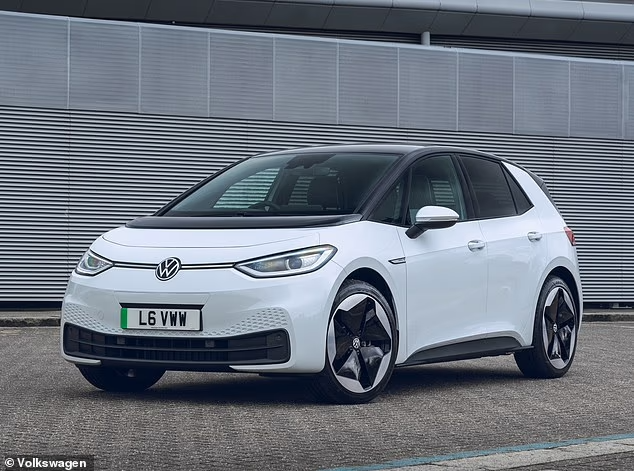
Nissan has issued a recall in Japan for 171 units of its brand-new LEAF EV, produced between December 2025 and March 2026, due to a high-voltage battery defect. According to Nissan, improperly manufactured electrode plates in the battery cells could cause fragments to adhere to the modules. If the battery is repeatedly charged under these conditions, it can short-circuit — potentially triggering a malfunction warning, overheating, or even catching fire.
One fire has already been reported involving a LEAF with the 78 kWh battery, though the investigation into the exact cause is still ongoing. Nissan is calling the recall a "preventative measure" and will replace affected battery packs or modules free of charge.
A Familiar Pattern
This isn't the first time the LEAF has faced battery-related recalls. Last October, over 19,000 model year 2021-2022 LEAFs in the US were recalled due to a similar defect. While no US recalls have been issued yet for the 2026 model, the pattern underscores a broader reality: lithium-ion battery defects — whether from manufacturing issues, wear and tear, or external damage — remain a persistent risk across the entire EV industry.
Why This Matters for EV Owners Everywhere
The 2026 Nissan LEAF is positioned as one of the most affordable EVs on the market, starting at just $29,990 with up to 303 miles of range. That's fantastic news for EV adoption. But as more lithium-ion battery-powered vehicles hit the road, more people need to understand the unique fire risks these batteries pose.
Lithium-ion battery fires are not like conventional vehicle fires. They burn hotter, can reignite hours or even days after being extinguished, and produce toxic fumes. Traditional fire extinguishers are often insufficient. When a lithium-ion battery goes into thermal runaway, you need a solution specifically designed for the challenge.
Be Prepared with FireFibers
That's exactly why we created our lithium-ion fire blankets at FireFibers. Our products are specifically engineered to:
- Contain and suppress lithium-ion battery fires by cutting off oxygen and managing extreme heat
- Prevent reignition by maintaining coverage during the critical cool-down period
- Protect surrounding property and people from radiant heat and toxic smoke
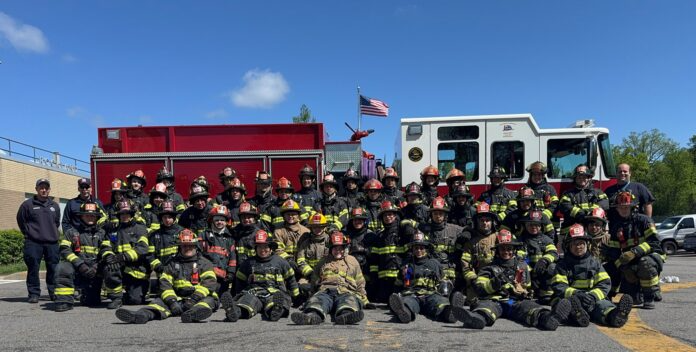
Whether you're an individual EV owner, a dealership like the one where the LEAF fire occurred, a fleet operator, or a first responder, having a FireFibers lithium-ion fire blanket on hand is a smart, proactive safety measure.
The Bottom Line
Nissan is doing the right thing by issuing a preventative recall and replacing affected batteries. But recalls can't protect you from every scenario — unexpected defects, charging accidents, or collisions can still put lithium-ion batteries at risk of thermal runaway.
Don't wait for a worst-case scenario. Be prepared.
👉 [Visit FireFibers today to learn more about our lithium-ion fire blankets and find the right solution for your needs.]
Stay safe, stay informed, and stay protected.
— The FireFibers Team