
The EV Charging Revolution Has a Surprising Roadblock: The Neighbors
Communities worldwide are pushing back on charging infrastructure — and the concerns are more nuanced than you might think.
The global transition to electric vehicles is accelerating, but a surprising bottleneck has emerged: community opposition. From Seoul to New York City, from Bengaluru to Melbourne, residents are fighting EV charging station installations over a constellation of concerns — fire safety, aesthetics, lost parking, property values, and reliability. According to a recent deep-dive by Rest of World, this grassroots pushback is threatening to slow the momentum of the EV revolution.
The Key Friction Points
Fire Safety Fears
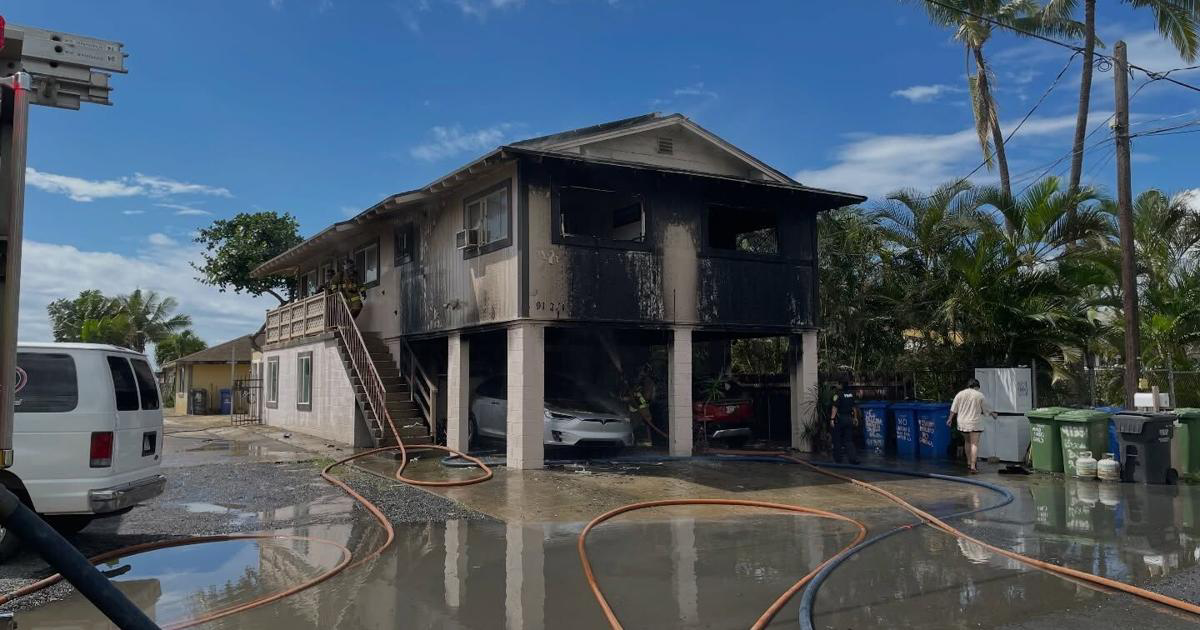
Fire concerns remain one of the most persistent obstacles. Multiple countries, including South Korea and the U.S., have moved to ban charger installations in underground garages — even though data shows electric cars are far less likely to catch fire than gasoline vehicles, and that the risk primarily lies in a vehicle's battery, not the charging equipment itself.
Norway offers a reassuring counterexample. In most Norwegian high-rises, charging takes place in basements without incident. As Amit Bhatt, India managing director of the International Council on Clean Transportation, noted, this demonstrates that "with appropriate safety standards and ventilation, underground charging is both feasible and safe."
At FireFibers, fire safety is at the core of everything we do. We understand why communities are concerned — lithium-ion battery fires, while rare, burn hotter and longer than conventional fires and require specialized suppression. Our lithium-ion fire blankets are specifically engineered to contain and suppress these thermal events, providing building managers, parking garages, and EV charging facilities with a critical layer of protection. Rather than banning underground charging outright, communities can adopt safety solutions like FireFibers blankets that make coexistence between EV infrastructure and residential spaces not just possible, but genuinely safe.
Aesthetics and "Ugly" Chargers
Residents of a heritage town near Melbourne protested fast chargers that looked like "giant poker machines" clashing with the historic streetscape. A November 2025 survey found that millennials specifically worry that unsightly chargers could lead to property devaluation.
The good news? Design solutions exist. As energy consultant Greg Field noted, "Chargers can be built into period-appropriate lampposts, sleek metal bollards, or even hidden behind panels." In European cities like London and Paris, retrofitting lampposts has proven effective — though voltage differences (240V vs. 110V in the U.S.) make this easier in some markets than others.
Reliability and Accountability
Post-installation functionality is a real concern. A 2024 report found that nearly half of India's 25,000 public chargers were non-functional. The U.S.-based Charge Ahead Partnership argues that placing charger management in the hands of on-site business owners — gas station operators, grocery stores — would bring much-needed accountability.
"If you want reliable chargers, there needs to be accountability," said coalition spokesperson Ryan McKinnon. "The best person for that buck to stop with is someone who's onsite and says, 'Hey, this is my business.'"
Parking and Crowding
From congested neighborhoods in Kuala Lumpur to the small town of Narberth in the U.S., lost parking spaces are a real source of friction — especially in dense urban areas where every spot counts.
The Property Value Paradox
Here's the irony: despite fears of devaluation, EV chargers actually increase property values — by up to 7% in residential spaces and 15% in commercial properties, according to the Urban Land Institute. In India, properties with multiple chargers command a 5.8% premium.
The Path Forward
Experts agree that the challenges are institutional, not technological. The article quotes multiple voices calling for:
- Clear regulatory frameworks so residents and builders know the rules
- Standardized incentives and predictable permitting timelines
- Community engagement that respects residents' legitimate concerns
- Public-private partnerships to bridge the gap between climate goals and local realities
- Proactive safety measures — including fire suppression solutions like FireFibers lithium-ion fire blankets — that give communities confidence rather than fear
As Andrew Murphy, CEO of Oxford Hydrogen, put it: "Though fears about safety or house prices are overstated, people have a right to care about how their surroundings look and feel."
Our Take at FireFibers
The EV transition is inevitable — and overwhelmingly positive. But it will only succeed if communities feel safe and heard. We believe that equipping every charging facility, parking garage, and residential complex with proper lithium-ion fire suppression isn't just good practice — it's the bridge between climate ambition and community trust.
Don't let fire safety fears stall progress. Contact FireFibers today to learn how our lithium-ion fire blankets can help your community embrace EV charging with confidence.