
Tesla Charger Fire Destroys Florida Family Home: What Every EV Owner Needs to Know
A devastating early morning blaze reminds us that EV fire safety starts before the first spark.
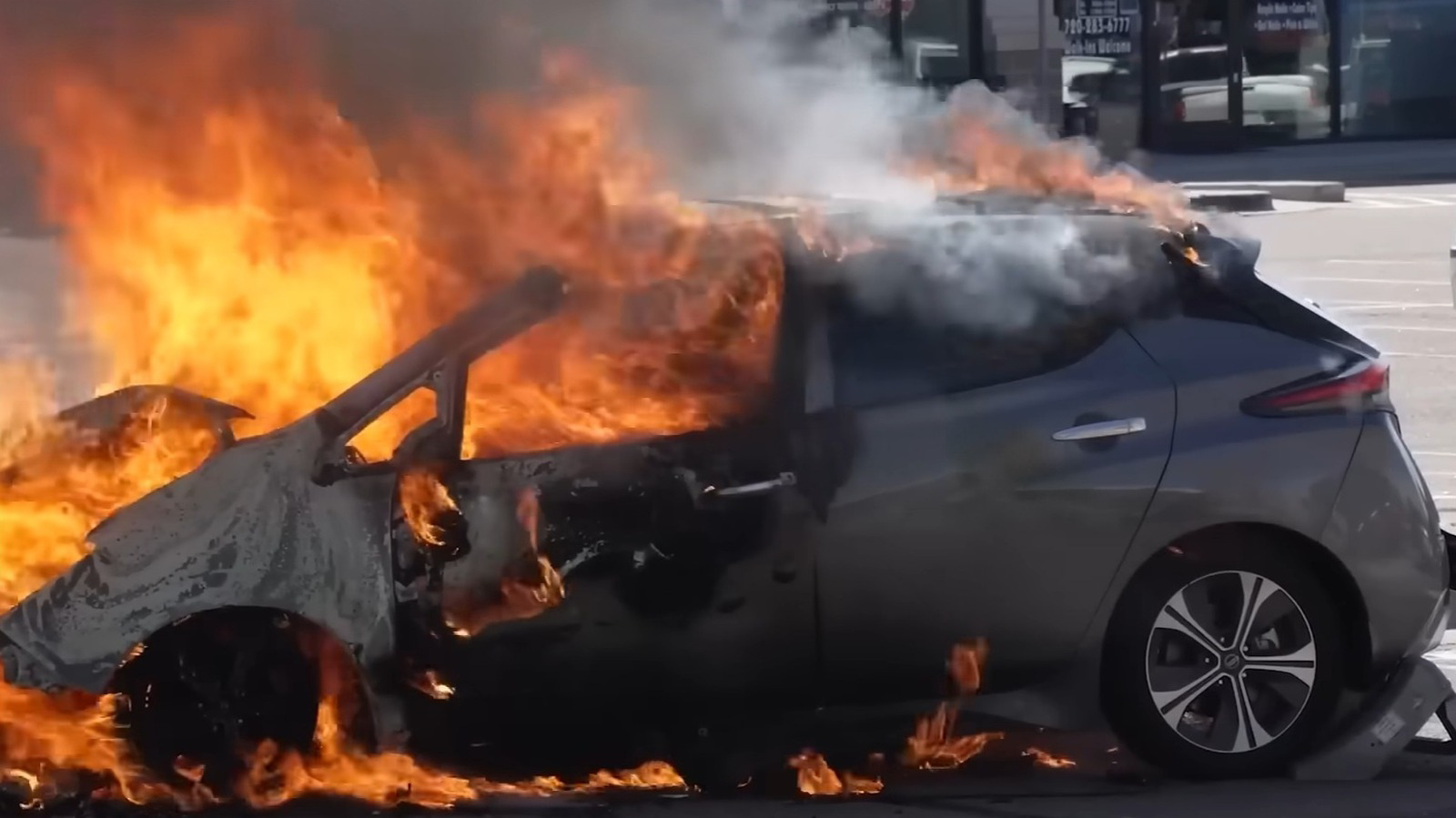
On the morning of December 2nd, a Sanford, Florida family of six was jolted awake around 5:00 a.m. when their charging Tesla Model Y erupted into flames in their garage. The ev fire quickly spread, gutting their home and reducing the vehicle to an unrecognizable hunk of twisted metal. Miraculously, all six family members escaped safely, though a brave police officer had to rush back into the burning structure to rescue the family dog, Leo.
You can read the full details in the original article from Jalopnik.
What Causes EV Fires During Charging?
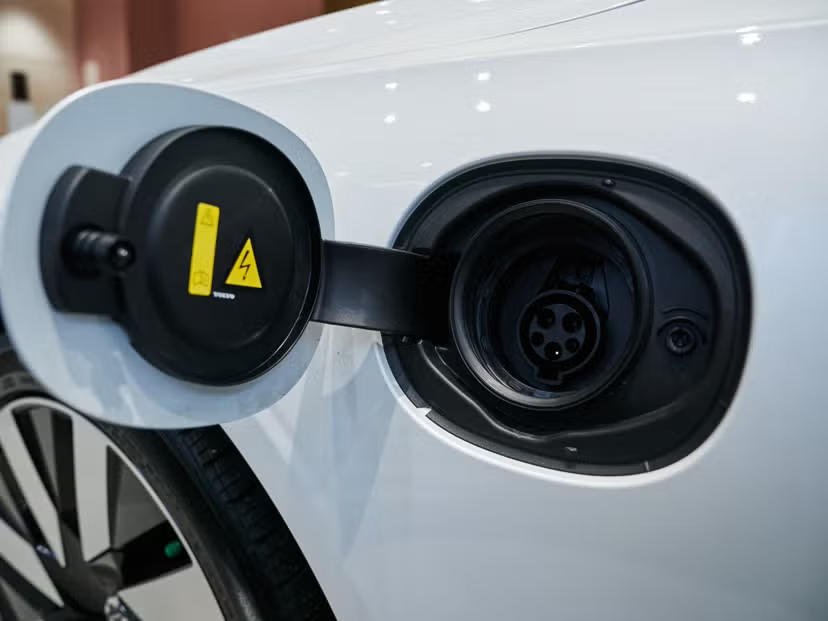
EV fires can stem from thermal management issues, floodwater exposure, or battery damage. Since this incident occurred while charging, investigators suspect thermal management problems within the battery pack, though the fire department hasn't ruled out issues with the Tesla charger itself.
Here's the terrifying chemistry: The Tesla Model Y Long Range contains a lithium ion battery pack rated at approximately 75 kWh, composed of thousands of individual cells. When even a single cell experiences thermal distress, it can trigger a cascading chain reaction known as thermal runaway. Once this process begins, each failing cell essentially becomes fuel for the next, creating an inferno that can require tens of thousands of gallons of water to extinguish — and the fire is notorious for reigniting even after it appears to be out.
How Can You Protect Your Home and Family?
The article highlights several key precautions:
- Install smoke detectors in and around your garage. You're almost certainly not standing watch while your car charges overnight, so early detection is critical.
- Use only manufacturer-recommended chargers and components.
- Have any vehicle damage thoroughly inspected to ensure battery integrity and health.
But there's one more layer of protection the article doesn't mention — and it could be the most important of all.
A Lithium Ion Fire Blanket: Your First Line of Defense
At FireFibers, we believe every EV owner who charges at home deserves a proactive safety solution, not just a reactive one. Our lithium ion fire blankets are specifically engineered to contain the extreme temperatures generated during an ev fire and thermal runaway event. When draped over a vehicle at the first sign of trouble, a FireFibers blanket can:
- Contain flames and suppress radiant heat, buying critical time for your family to evacuate
- Limit the spread of fire to the rest of your garage and home
- Reduce toxic smoke dispersal, protecting air quality inside your living space
- Aid first responders by slowing the blaze before they arrive on scene
The Raky family lost their home but saved their lives. A lithium ion fire blanket stored in their garage could have helped prevent the fire from ever reaching the house.
Don't Wait for a Wake-Up Call
EV adoption is accelerating, and so should our approach to safety. Smoke detectors alert you to danger. A FireFibers blanket helps you fight back against it.
We have an ev fire blanket for sale for every garage, fleet depot, and charging station. Whether you own a Tesla, Rivian, Chevy, or any other EV, protecting your home and family from a lithium ion fire is an investment you'll never regret making.
Browse our full line of lithium ion fire blankets at FireFibers.com and take the first step toward real peace of mind — before your next charge.
Stay safe. Stay prepared. Stay covered. — The FireFibers Team