
Why EV Fires Are So Hard to Fight — And What's Being Done About It
The rare but real challenge of lithium-ion battery fires is reshaping how we think about fire safety.
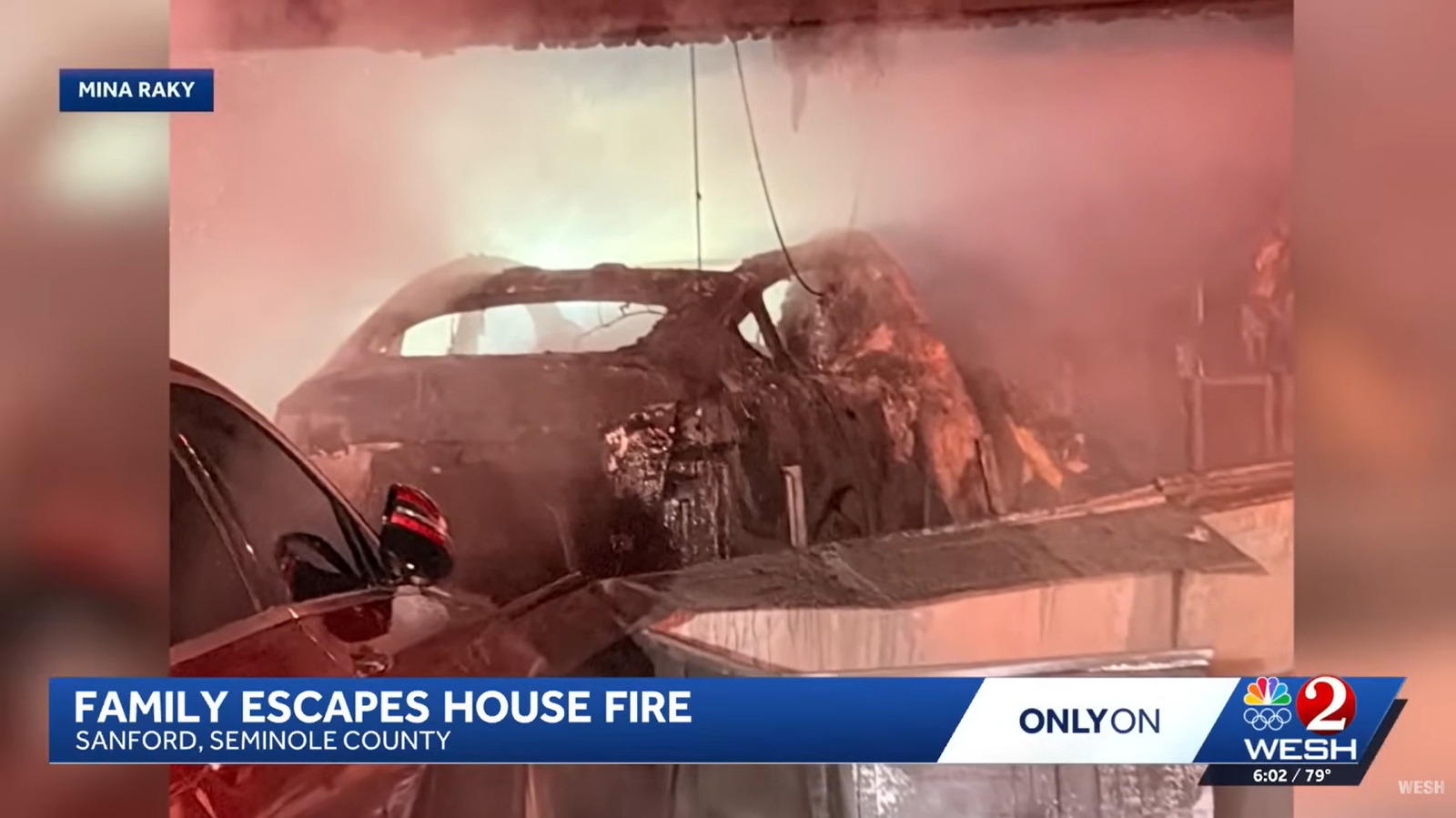
Electric vehicle sales continue to climb, but so does public anxiety about one particular risk: battery fires. While the statistics tell a reassuring story — according to EV FireSafe, the chance of an EV catching fire is just 0.0012% based on a decade of global data — the outsized attention these incidents receive isn't entirely unwarranted. When an EV battery does ignite, it presents a uniquely dangerous and difficult-to-manage situation.
What Makes EV Fires So Different?
Unlike a traditional gasoline or diesel vehicle fire, a lithium-ion battery fire is the product of thermal runaway — a rapid, uncontrollable rise in temperature caused by an improper chemical conversion of energy inside the battery. This can be triggered by something as seemingly minor as road debris puncturing the battery pack.
Once thermal runaway begins, the challenges stack up quickly:
- Extreme heat: Battery chemicals can burn at over 2,000°F (1,200°C) — several hundred degrees hotter than a conventional vehicle fire.
- Inaccessibility: EV batteries are typically mounted beneath the vehicle floor and encased in protective metal housing, making it extraordinarily difficult for firefighters to direct water where it's needed most. As Woodlands Fire Chief Palmer Buck told FOX 7 regarding a Tesla fire, "You really can't gain access to it — you just have to sit back and pour water on it."
- Massive water consumption: In 2022, CTIF reported that a U.S. fire department used a staggering 24,000 gallons of water to control a single EV fire. For context, a typical house fire might require 3,000 gallons.
- Toxic, flammable vapors: The smoke released during an EV fire contains dangerous chemicals including hydrogen chloride, carbon monoxide, and hydrogen cyanide. These vapors pose serious respiratory and skin hazards to bystanders and first responders — and they're also highly flammable, meaning the smoke itself can contribute to the fire spreading.
- Reignition risk: Perhaps most unsettling, lithium-ion batteries don't cool down quickly. Even after flames are extinguished, the residual heat and remaining fuel source mean an EV fire can reignite days or even weeks later. Some fire agencies have taken to following tow trucks hauling burned EVs, ready to respond if flames erupt again.
New Solutions Are Emerging
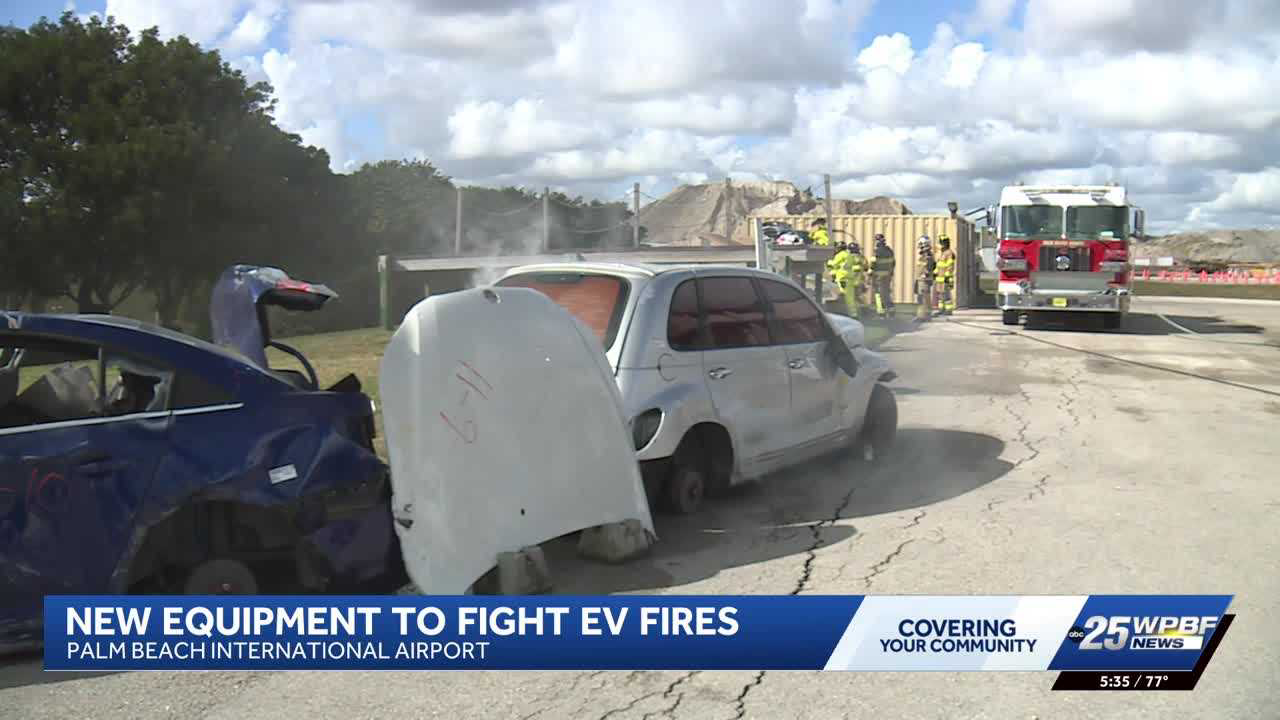
The good news? The fire safety industry isn't standing still. New technologies and methods are being developed and deployed to address the unique challenges of EV battery fires. The article highlights one promising approach: the use of fire blankets and specialized suppression tools (like the "Turtle" device) that have been successfully used to contain EV fires — including one notable incident at a gas station.
This Is Where FireFibers Comes In
At FireFibers, we believe that preparation is the best defense against the unpredictable nature of lithium-ion battery fires. Our lithium-ion fire blankets are specifically engineered to address the unique hazards outlined above:
- Contain extreme heat generated by thermal runaway
- Smother flames and limit oxygen supply to the fire source
- Reduce toxic vapor exposure for first responders and bystanders
- Mitigate reignition risk by maintaining coverage during the critical cool-down period
- Deploy rapidly — no need for thousands of gallons of water or specialized access to the battery pack
Whether you're a fire department, a fleet operator, a parking garage manager, or an EV owner who believes in being prepared, a FireFibers lithium-ion fire blanket is an essential piece of your safety toolkit.
The Bottom Line
EVs are statistically safer than gas-powered vehicles when it comes to fire risk. But when the rare incident does occur, the consequences can be severe and the response incredibly resource-intensive. As EV adoption continues to grow, equipping ourselves with the right tools and knowledge isn't just smart — it's essential.
Don't wait for the fire to start. Contact FireFibers today to learn how our lithium-ion fire blankets can protect your people, your property, and your peace of mind.
FireFibers — Advanced fire suppression for the electric age.