
Tragic Indore House Fire Highlights Critical EV Charging Safety Concerns
A devastating pre-dawn blaze claims eight lives and raises urgent questions about electric vehicle charging safety in residential areas.
At FireFibers, our mission is to protect lives and property from lithium-ion battery fires—and this week's tragedy in Indore, India, is a sobering reminder of why that mission matters more than ever.
What Happened
In the early morning hours of Wednesday, a catastrophic fire ripped through a three-storey home in Greater Brijeshwari Colony, Indore, killing at least eight members of a family—including children as young as six years old—and leaving three others critically injured.
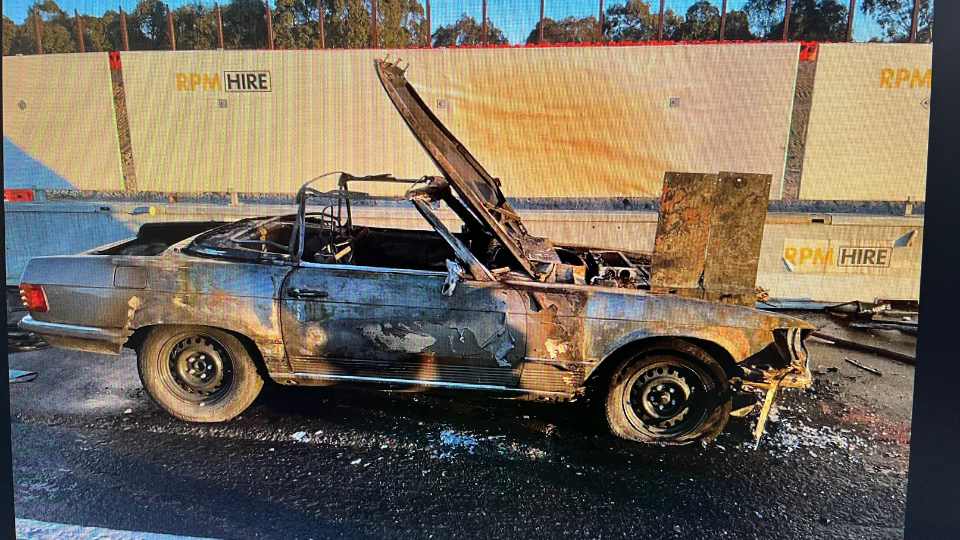
The fire is believed to have started between 3:30 and 4:00 AM while the household was asleep. According to Indore Police Commissioner Santosh Singh, preliminary findings suggest a short circuit at an electric vehicle charging point triggered an initial explosion, setting the parked EV ablaze. The flames then rapidly spread to the home.
The situation escalated catastrophically when approximately ten LPG cylinders stored inside the house exploded in quick succession, creating a chain reaction that overwhelmed rescue efforts and consumed large portions of the building.
Why This Fire Was So Deadly
Several factors compounded the tragedy:
- Overnight, unmonitored charging: The EV had been left plugged in through the night with no one awake to detect early signs of trouble.
- Rapid fire escalation: The combination of a lithium-ion battery fire and multiple LPG cylinder explosions created an inferno that spread faster than occupants could react.
- Electronic door locks failed: When the fire caused a power outage, the home's electronic locks jammed, trapping residents inside.
- Smoke inhalation: Officials confirmed that smoke inhalation was the primary cause of death—most victims never made it out of their beds.
- Alleged delays in emergency response: Neighbors who rushed to help reported that fire services took time to arrive, further reducing the window for rescue.
The Victims
The family had gathered at the home of Manoj Pugalia, a polymer trader, because his brother-in-law Vijay Sethia (65) was undergoing chemotherapy for mouth cancer in Indore. Relatives had traveled to be by his side. Among the deceased were elderly family members, young parents, and children between the ages of 6 and 12.
What should have been a time of family support during a medical crisis became an unimaginable catastrophe.
Government Response
State Urban Development and Housing Minister Kailash Vijayvargiya visited the scene and acknowledged the alarming implications: "This tragic incident is alarming because the house caught fire while an EV was being charged." He announced that an expert committee would investigate the incident and that new Standard Operating Procedures (SOPs) for EV charging would be developed.
He also noted the broader context: as geopolitical tensions drive crude oil prices higher, interest in electric vehicles is surging—making EV safety protocols more urgent than ever.
What This Means for EV Owners and Homeowners
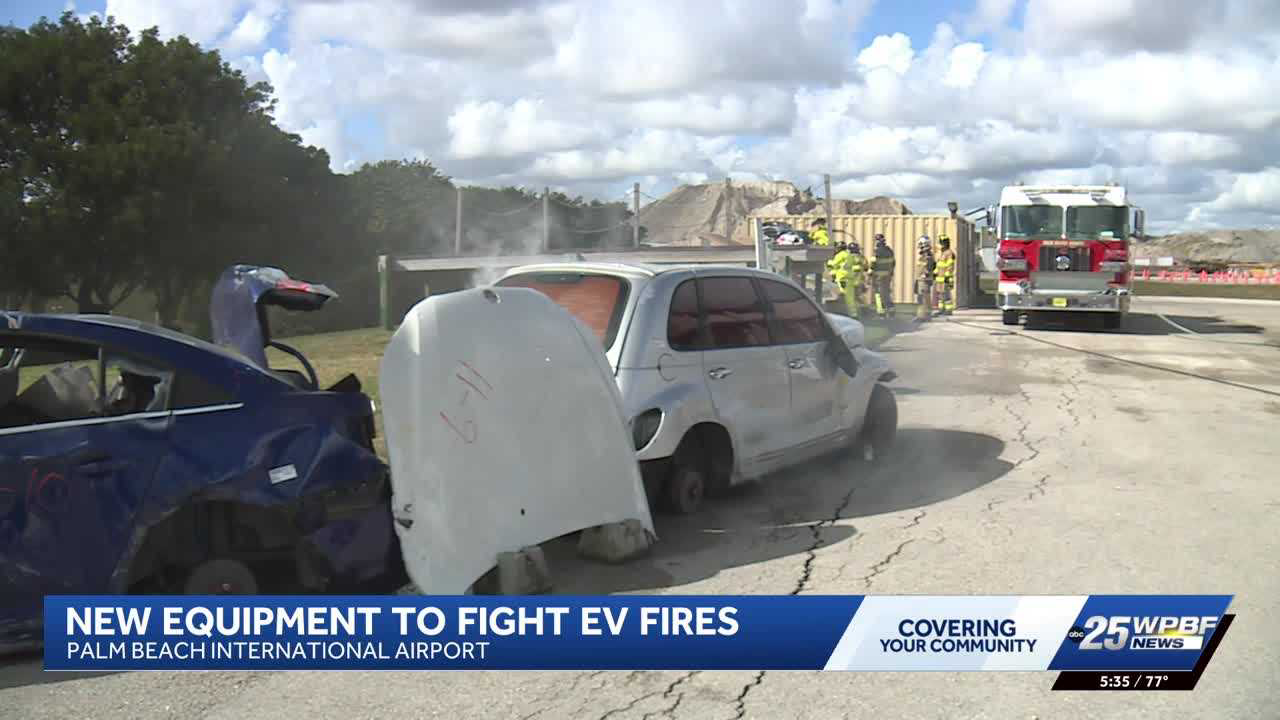
This tragedy underscores a reality that we at FireFibers talk about every day: lithium-ion battery fires are fundamentally different from ordinary fires. They can ignite suddenly, burn at extreme temperatures, and produce toxic gases that incapacitate victims within minutes. When combined with other accelerants—as happened here with the LPG cylinders—the results can be devastating.
Key Takeaways:
- Never leave EV charging unattended overnight without proper safety measures in place.
- Keep a lithium-ion fire blanket accessible near any EV charging area. FireFibers blankets are specifically engineered to smother battery fires in their earliest stages, buying critical time before flames spread.
- Avoid storing flammable materials (LPG cylinders, chemicals, solvents) near charging areas.
- Ensure manual override options for electronic door locks in case of power failure.
- Install smoke and heat detectors in and around EV charging zones.
- Charge vehicles outdoors and away from structures whenever possible.
Prevention Is Everything
At FireFibers, we believe that no family should ever face what the Sethia and Pugalia families experienced this week. Lithium-ion battery technology powers our future—but without proper safety precautions, it can also endanger it.
Our lithium-ion fire blankets are designed for exactly these scenarios: rapid deployment, extreme heat resistance, and the ability to contain a battery fire before it becomes an uncontrollable blaze. A single fire blanket placed near a charging station could mean the difference between a minor scare and a fatal disaster.
If you charge an EV at home, in a garage, or at your business, we urge you to take proactive steps today. Don't wait for tragedy to be your wake-up call.
To learn more about FireFibers lithium-ion fire blankets and how they can protect your home, business, or fleet, [contact our team today]. Because when it comes to fire safety, preparation isn't optional—it's essential.