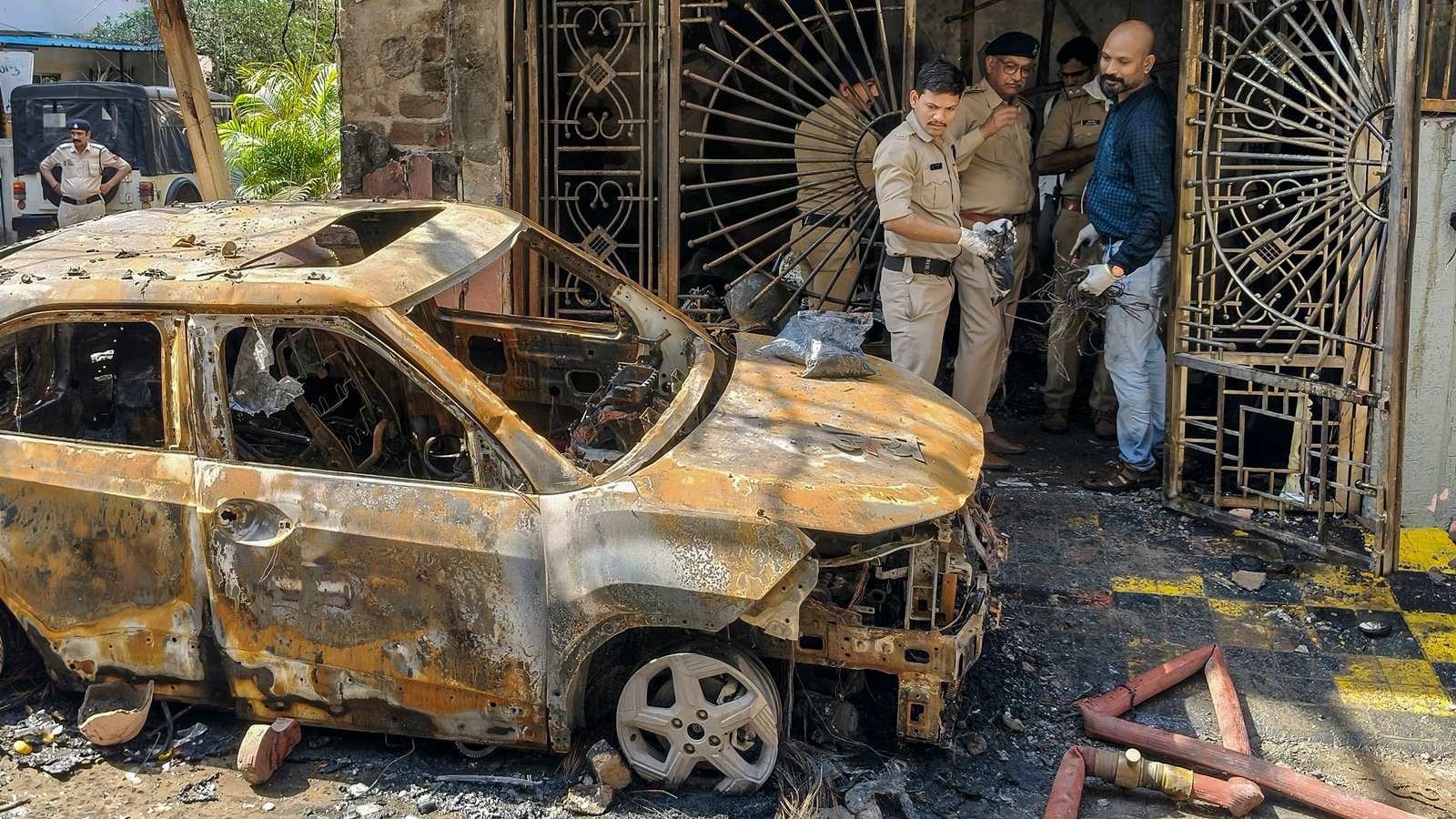

EV Fires: A Growing Challenge for Firefighters — And Why the Right Fire Blanket Matters
Electric vehicles are transforming the roads, but when they catch fire, they also transform the playbook for firefighters. A recent article highlights the unique challenges EV battery fires pose — and at FireFibers, we think it's a conversation worth having honestly.
The Core Problem: Thermal Runaway
Unlike traditional vehicle fires, EV fires involve a self-sustaining chemical reaction called thermal runaway. Even after flames appear to be out, lithium-ion battery cells can continue to overheat internally, vent toxic gases, and reignite hours later with zero warning. This makes EV fires uniquely dangerous and unpredictable.
Water Alone Isn't Enough
Water remains the primary suppression tool, but the quantities required are staggering. One documented Tesla battery fire required approximately 24,000 gallons over 40 minutes — up to 40 times more water than a conventional vehicle fire. The battery pack's low, sealed placement — great for driving performance and weather resistance — makes it incredibly difficult for water to reach the source of the fire.
What About Fire Blankets?
Here's where we want to be transparent, because this directly relates to what we do at FireFibers.
The article notes that some responders have tried using fire blankets to starve EV fires of oxygen, but with mixed results. Specifically, standard fire blankets can trap toxic gases underneath, and when lifted or adjusted, those gases meet fresh air and can trigger an explosion. Australia's EV FireSafe has raised legitimate concerns about this approach.
We take these concerns seriously. This is exactly why FireFibers designs our lithium-ion fire blankets differently. Our products are engineered specifically for the unique chemistry of lithium-ion battery fires — not adapted from traditional fire blankets as an afterthought. We continually refine our designs based on the latest research, first responder feedback, and real-world incident data because we believe safety equipment should evolve as fast as the technology it protects against.
Perspective Matters
It's important to note one encouraging statistic from the article: EVs are roughly 60 times less likely to catch fire than internal combustion vehicles — about 25 fires per 100,000 EVs compared to 1,500 per 100,000 ICE vehicles. EV fires are rare, but when they happen, they demand specialized response.
The Bottom Line
EV fire suppression is a rapidly evolving field, and no single tool is a silver bullet. Water, positioning techniques (like tilting the vehicle), and purpose-built suppression blankets all have roles to play. At FireFibers, we're committed to being part of the solution — not by overpromising, but by engineering products that meet the real-world demands firefighters face and by staying honest about what works, what doesn't, and what's next.
Want to learn more about how FireFibers products are designed for lithium-ion battery fire scenarios? Contact our team today.